
Silencers for Noise Reduction in Factories, Power Plants, and Facilities
Types of Silencers for Reducing Noise Exceeding Standards
1. Absorptive Silencer
- Uses sound-absorbing materials such as glass wool, rock wool, or stainless steel wool to reduce sound energy
- Ideal for reducing mid-to-high frequency noise from air intake and air outlet ducts
2. Reactive Silencer
- Uses the principle of sound reflection through chambers and passages inside the device to reduce sound levels
- Ideal for reducing low-frequency noise, such as from air compressors or engine exhaust
3. Hybrid Silencer
- Combines the properties of both Absorptive and Reactive Silencers
- Used to reduce noise across a wide frequency range, such as from furnaces or high-pressure piping systems
Selecting the Right Silencer
- Consider the sound level (dB) and frequency (Hz)
- Choose the silencer type according to the noise source
- Check the installation space and air pressure requirements
- Use temperature- and chemical-resistant materials for harsh environments
Benefits of Installing a Silencer
- Reduces factory noise, improving safety and productivity
- Complies with legal noise level standards
- Protects machinery and air duct systems from damage caused by high sound pressure
- Improves comfort and reduces employee stress
Summary
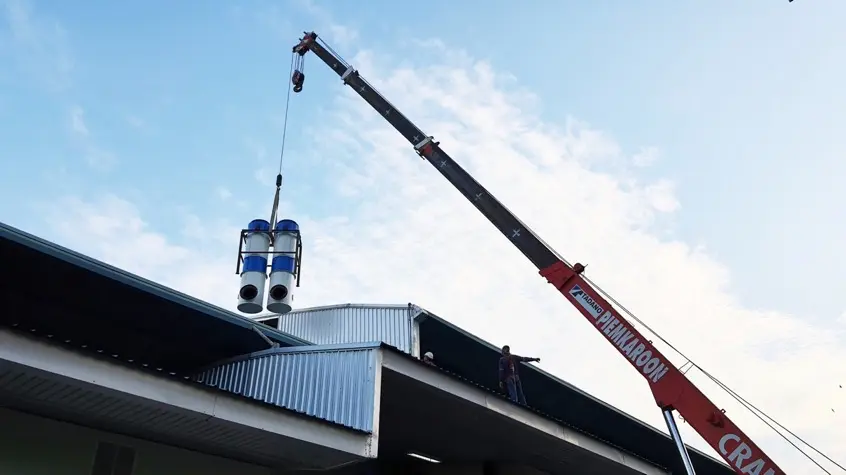
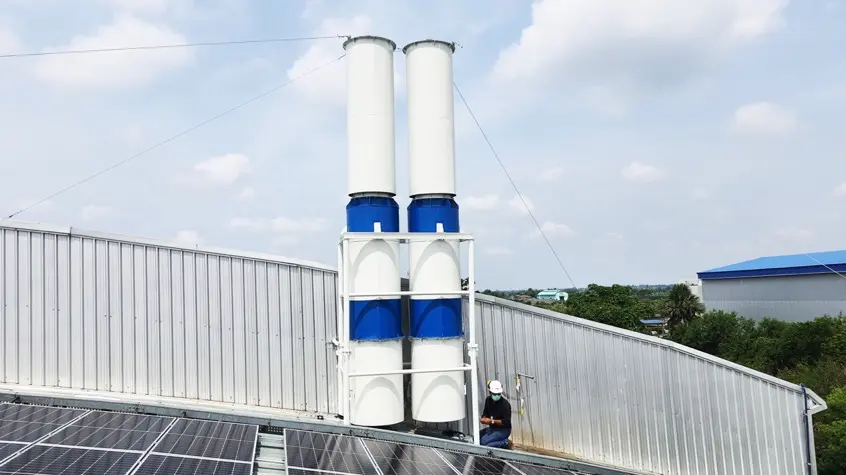
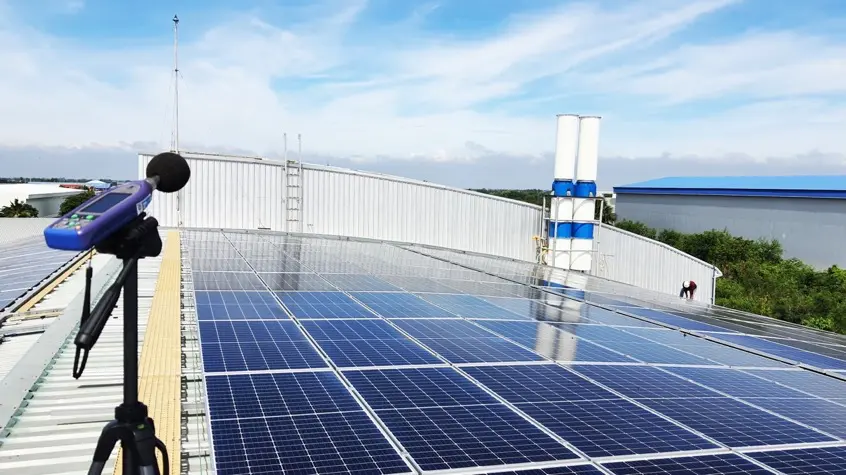
Silencers are key noise reduction devices in systems controlling noise from air suction or air exhaust ducts, reducing noise by 15-35 dBA (depending on model and size). A good silencer not only delivers high noise reduction but also has a low pressure drop.


 02-583-8035
 098-995-4650
 @newtechinsulation
 contact@newtechinsulation.com