Noise Level Measurement
Newtech Insulation Co., Ltd. provides noise level measurement services in accordance with the Pollution Control Board Notification on Methods for Measuring and Calculating Noise Annoyance Levels B.E. 2565 (2022) and the Department of Industrial Works Notification on Methods for Measuring Noise Generated by Factory Operations B.E. 2567 (2024)Measurement Methods
-
Preliminary Assessment
o Listen to the issues related to the noise problem
o Explain the legal requirements and the basic measurement methods
o Define appropriate measurement points based on technical principles and legal requirements
-
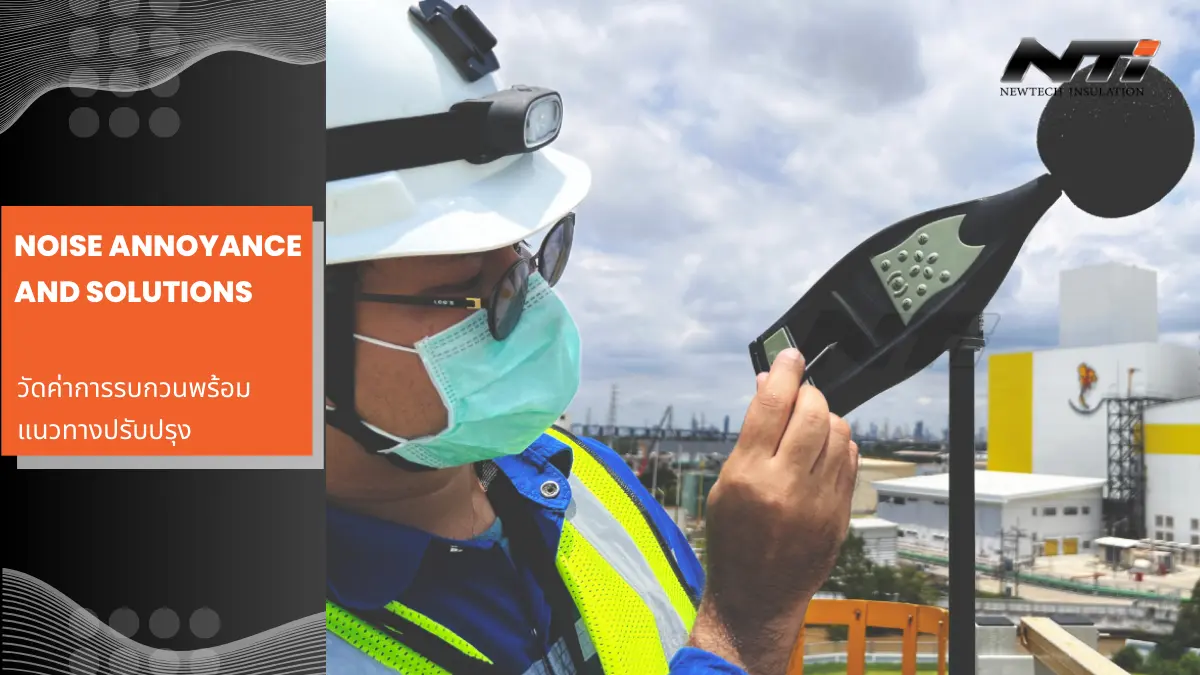
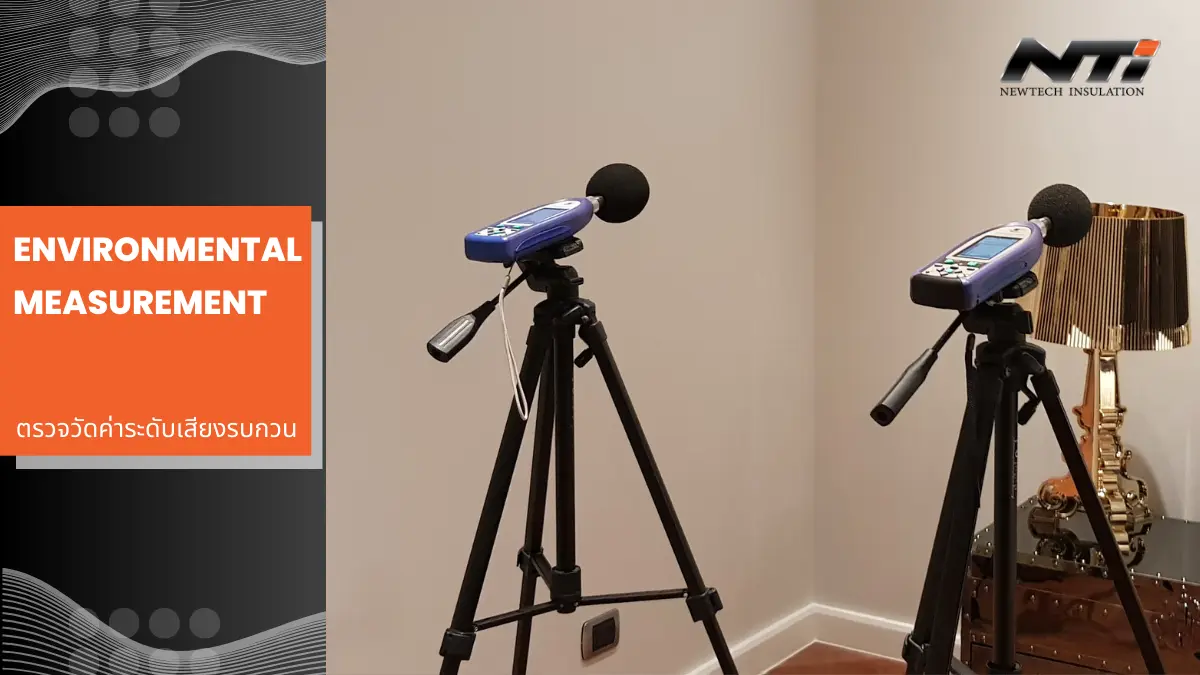
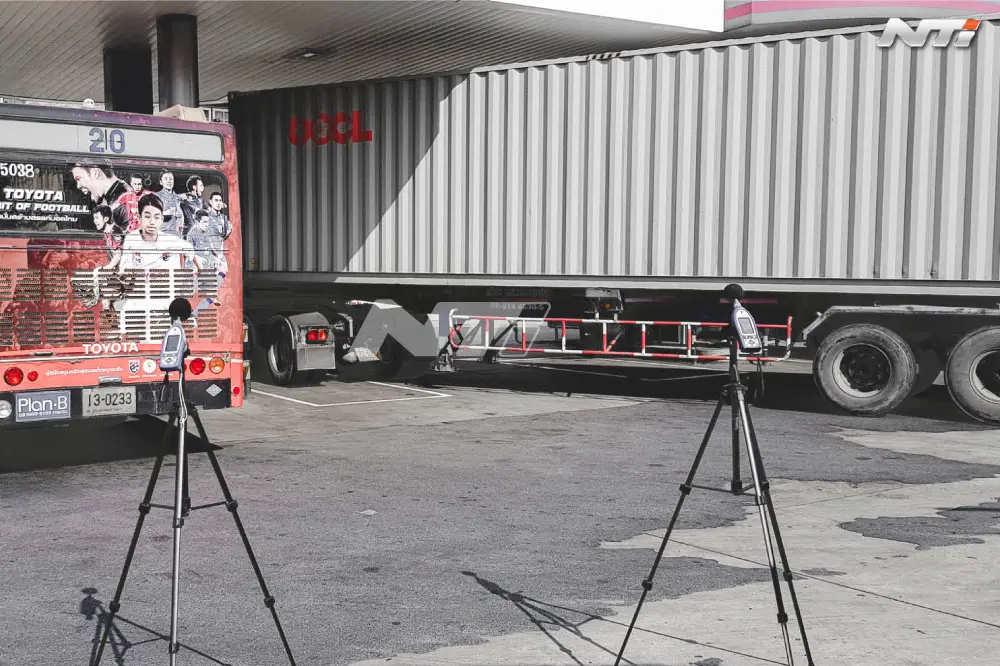
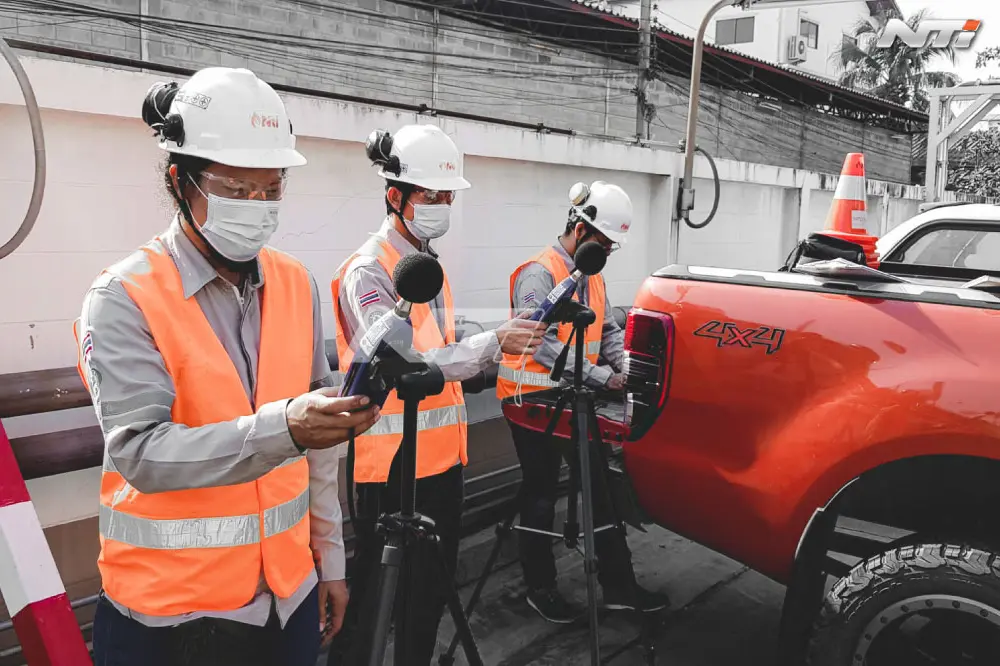
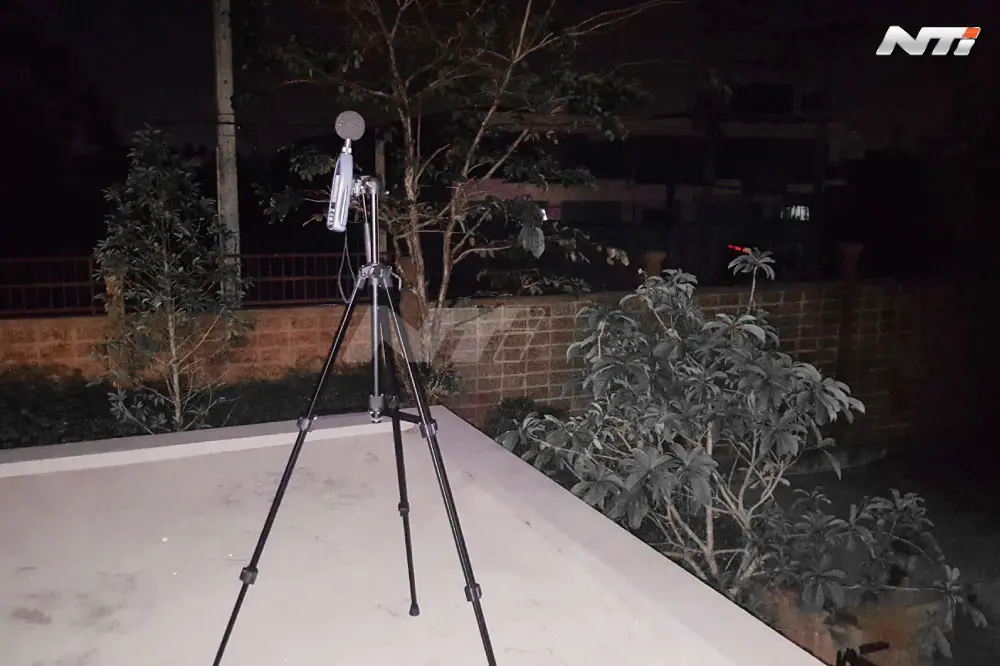
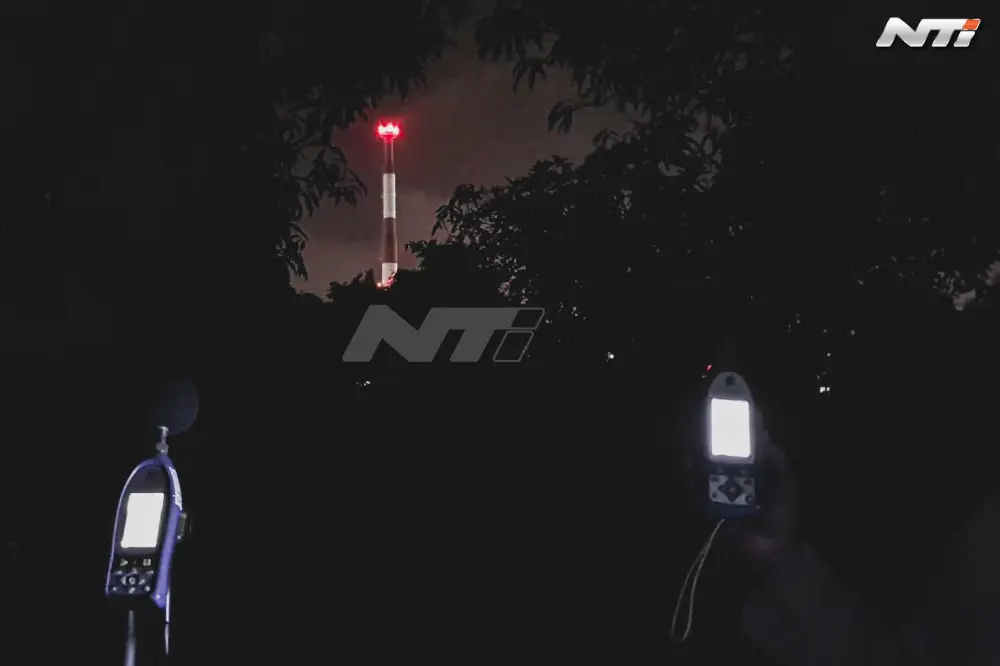
Sound Level Measurement
o Use IEC 61672 Class 1 standard sound level meters
o Set the sound level meter to Fast Response mode with A-weighting
o Measure the background noise level (L90) and the noise level during the disturbance (LAeq)
o Record sound levels using the form specified in the Department's notification
-
Noise Annoyance Analysis
o Calculate the annoyance level using the method specified in the Department's notification
o Apply adjustments based on noise characteristics (Penalty), including nighttime noise, tonal (high-pitched) noise and impulsive noise
o Compare the measurement results with the legal standard (exceeding 10 dBA is considered noise annoyance)
Measurement Report
The noise annoyance measurement report includes the following information:- General information about the measurement site, and the date and time of measurement
- Measurement instruments with serial numbers and calibration documents
- Environmental conditions during measurement
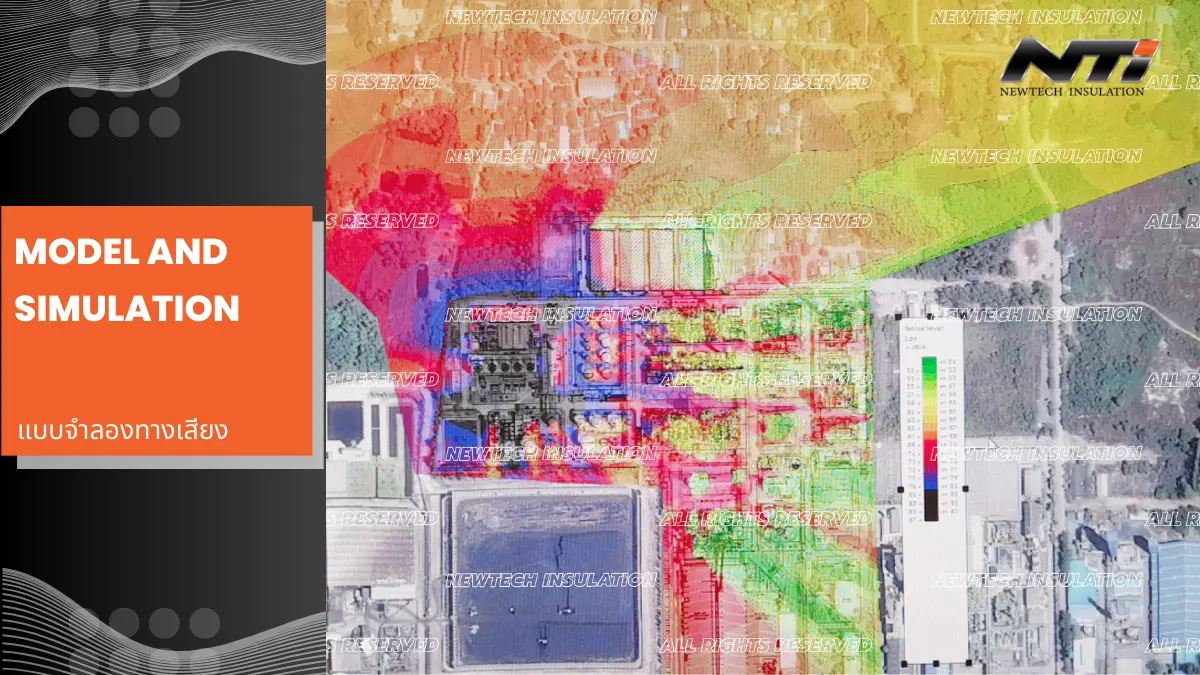
- A site plan showing noise source and measurement point locations, with coordinates
- Results of background noise and disturbance noise level measurements
- Calculation of the annoyance level using the legally prescribed method
- Summary of results compared with the standard
- Recommendations and corrective measures (if any)
Using the Measurement Results
Noise annoyance measurement results produced by the company can be used as follows:- As technical evidence that can be used in legal proceedings
- As supporting data for planning noise mitigation improvements
- As data for reporting to environmental regulatory agencies
- As baseline data for monitoring long-term changes in noise levels


 02-583-8035
 098-995-4650
 @newtechinsulation
 contact@newtechinsulation.com