
The Importance and Function of Silencers
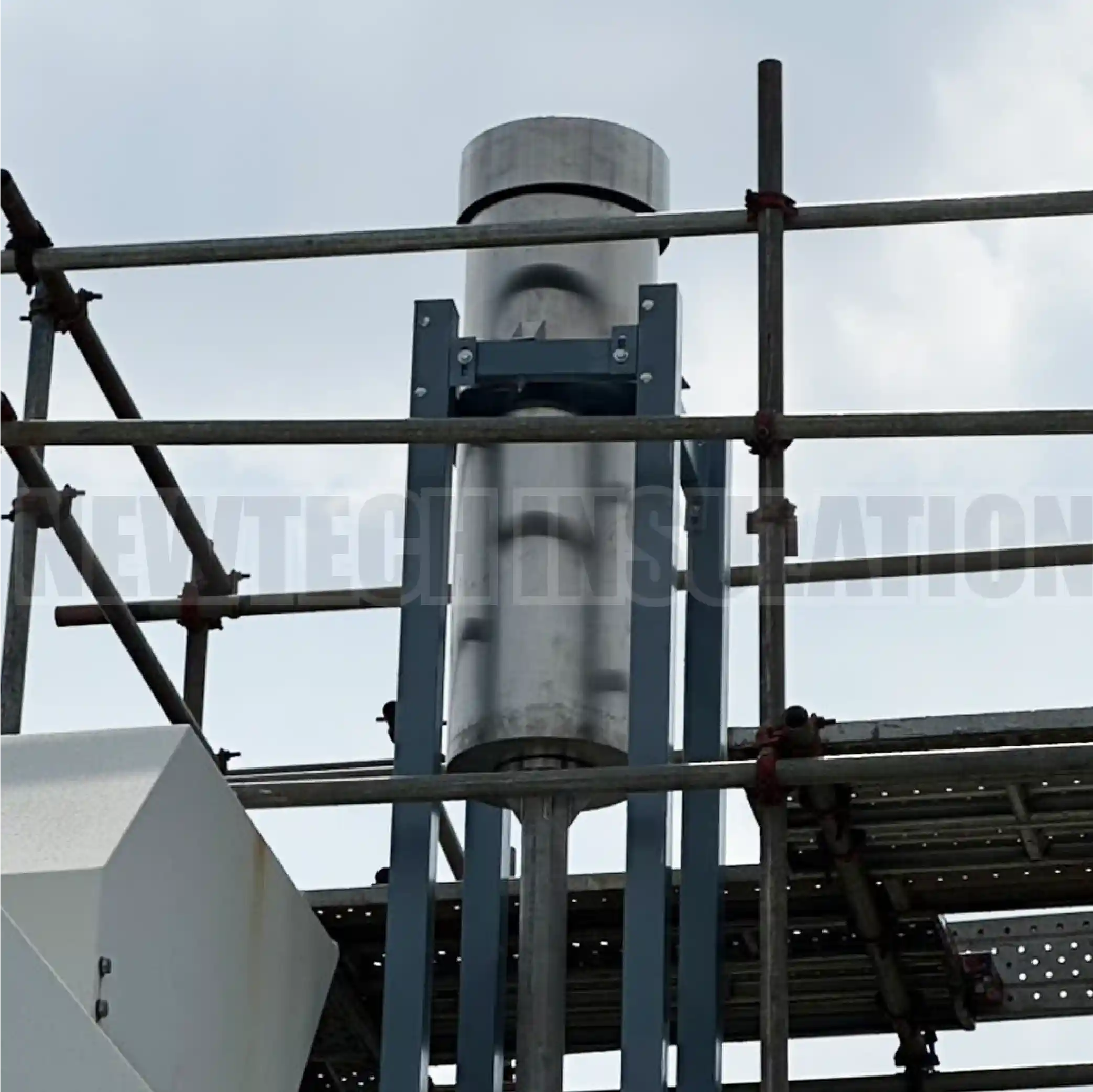
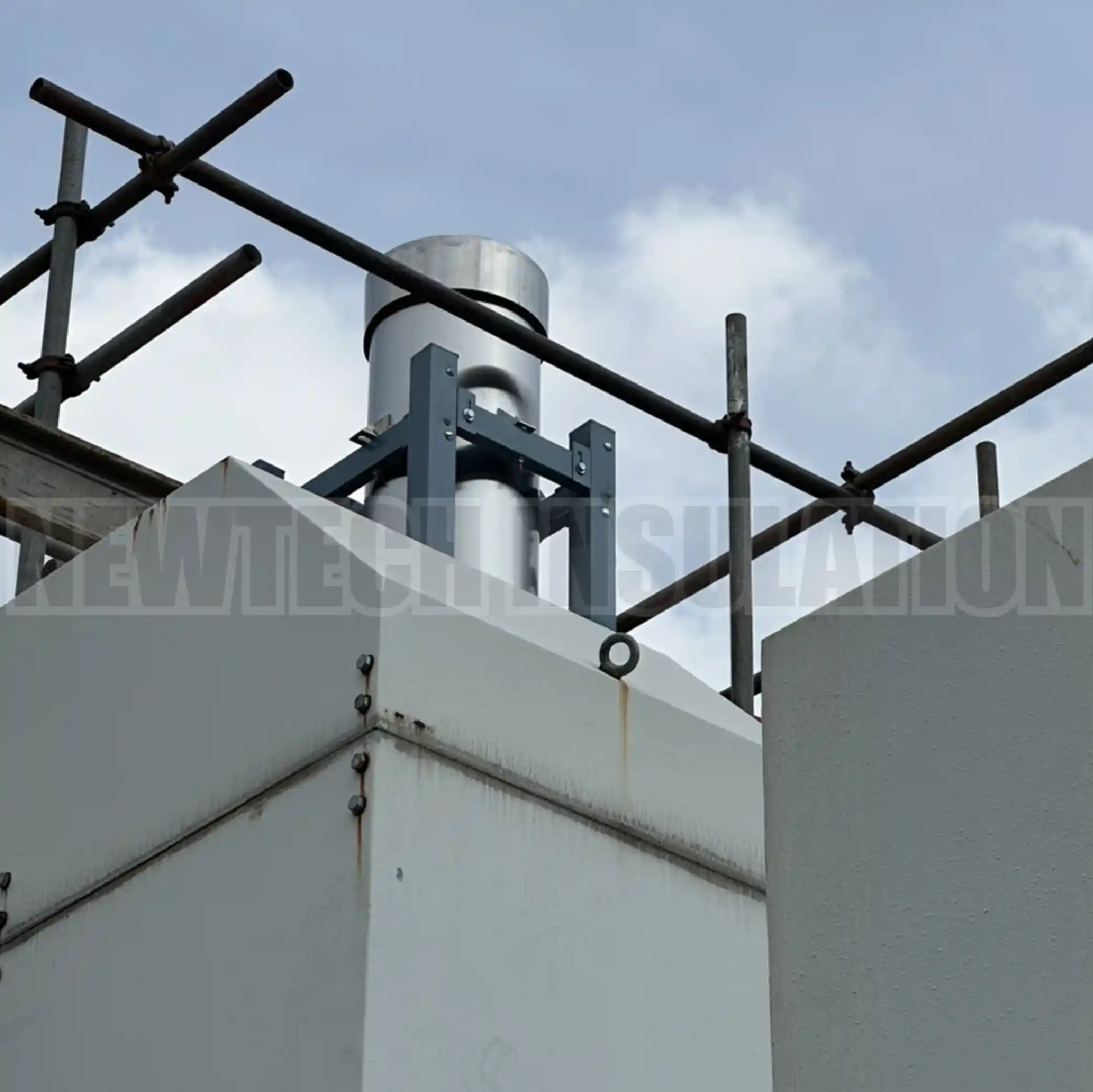
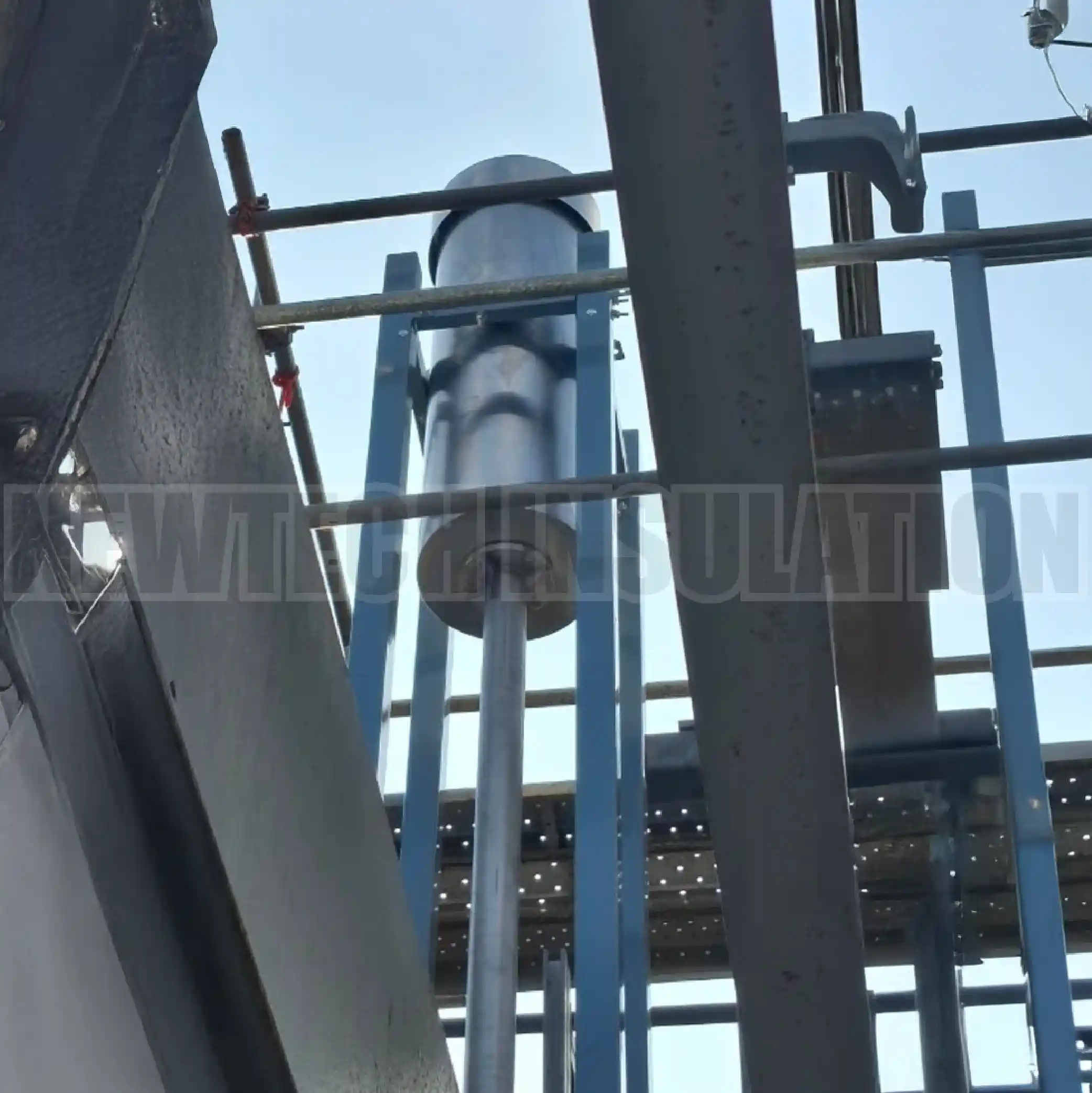
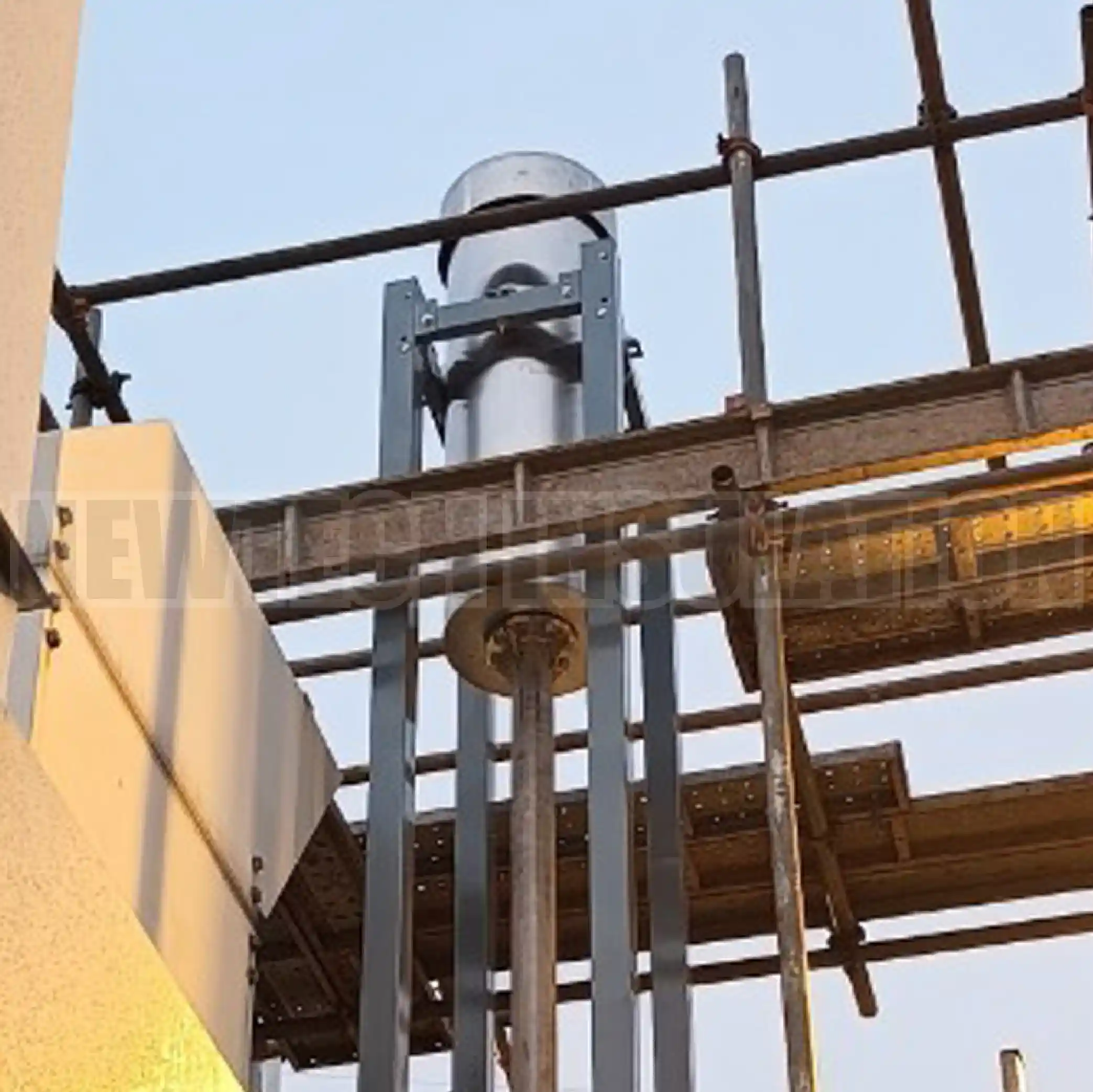
A silencer (Silencer), sometimes called a Muffler, is a device designed to reduce the loudness of sound travelling out through a pipe outlet. A silencer works by reducing the energy of sound waves using physical methods such as sound absorption (Absorption), attenuating sound through reflection or refraction (Reflection), and using special structures or passages that cause sound waves to cancel each other out (Destructive Interference). These techniques are applied in many types of silencers, depending on the characteristics of the sound to be controlled.
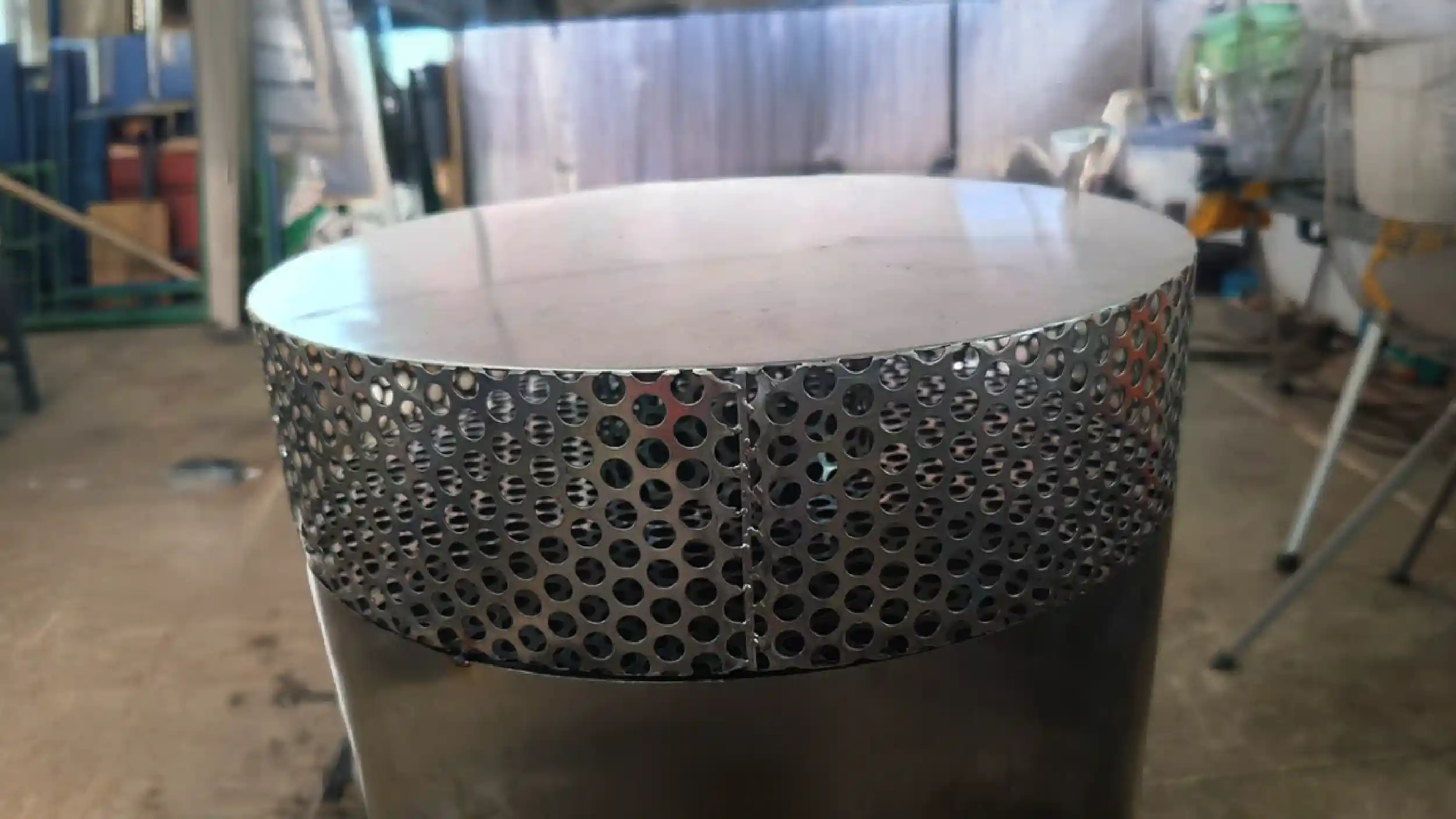
Types of Silencers
- Absorptive silencers (Absorptive Silencers) usually contain sound-absorbing materials such as high-density fiberglass, mineral wool, or special synthetic absorbent materials that resist heat and corrosion. These materials absorb the energy of sound waves as they strike the surface, converting sound energy into heat and effectively reducing the loudness of the emitted sound. They are suitable for high-frequency noise, such as wind noise, blower noise from air treatment systems, or compressor noise.
- Meanwhile, reactive silencers (Reactive Silencers) work by changing the direction of sound waves through chambers or passages inside the silencer. By routing the sound along a complex path, internal reflections occur and energy is lost along the way. They are suitable for reducing low- to mid-frequency noise, such as noise from engines or large fans.
Industrial Applications
For plants with specialized operations, such as power plants, petrochemical plants or pollution control systems operating at high pressure and temperature, silencer design must take into account noise reduction performance, durability under environmental conditions, and long-term maintenance. This requires detailed acoustic analysis and precise engineering calculations so that the silencer performs at full efficiency without affecting the operation of the main system.
In Summary
Installing a silencer not only reduces noise but is also part of operating a socially responsible business. It helps reduce conflicts with surrounding communities, builds a positive image for the organization or noise source, and ensures full compliance with environmental regulations. Any factory or facility experiencing noise problems should promptly consult noise and vibration specialists to assess the situation and plan a systematic solution.
Example of using an absorptive silencer to solve noise from a power plant steam vent pipe
| Noise Level | Average (LAeq) | Maximum (Lmax) | 250 Hz | 500 Hz | 1000 Hz | 2000 Hz | 4000 Hz |
| Before (dBA) | 68.1 | 70.6 | 52.4 | 59.6 | 60.3 | 63.5 | 59.4 |
| After (dBA) | 61.3 | 63.8 | 52.1 | 55.0 | 55.8 | 52.7 | 53.8 |
| Reduction | 6.8 | 6.8 | 0.3 | 4.6 | 4.5 | 10.8 | 5.6 |


 02-583-8035
 098-995-4650
 @newtechinsulation
 contact@newtechinsulation.com